Lavender Types
Imagine: when I first planted lavender on my farm in California, I made a classic mistake. I bought the prettiest plants at the nursery without asking what type they were. And then, two years later, I had huge bushes of beautiful French lavender, but my local baker wanted sweet buds for her lemon cookies. My lavender have tasted like soap! That was my first big lesson. Not all lavender is the same.
I am glad this scenario did not happen.
If you are a gardener looking for gorgeous color, an artisan making DIY lavender soap, or an entrepreneur planning a commercial lavender farm, you must know your options. Selecting the right lavender variety will save you years of frustration and wasted money.
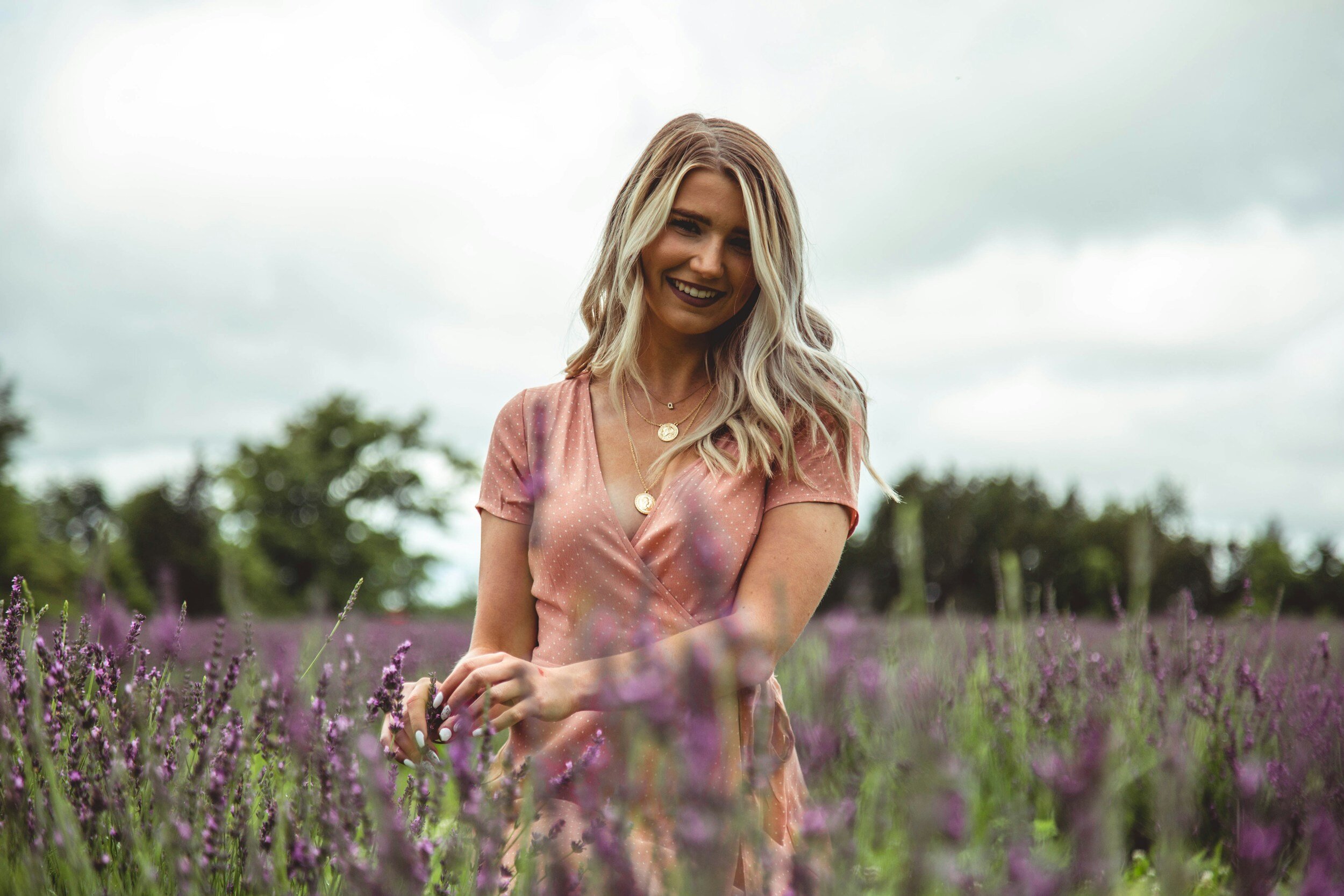
lavender upick farm, Farzaneh Valley Lavender, located in California
English Lavender (Lavandula angustifolia): The Sweet Culinary Champion
If you dream of baking delicate purple macarons, brewing floral herbal teas, or supplying local ice cream shops and coffee shops, English Lavender is your best friend.
This is the sweet heart of our crop. It has the most delicate fragrance with very low camphor. That means it tastes like flowers, not medicine.
Best Uses: Highly valued for sweet culinary recipes, professional aromatherapy, and dry sachets.
Aromatherapy Power: It is the ultimate choice for calming the mind. If you want to study the science behind this scent, check out our guide on the Lavender Essential Oils Chemical Compound.
Recipes: We love using the sweet buds in our kitchen. You can read our favorite culinary tips in our post on Edible lavender types and recipes.
In the Landscape: This plant forms neat, round mounds. It looks stunning when planted as low borders along garden paths.
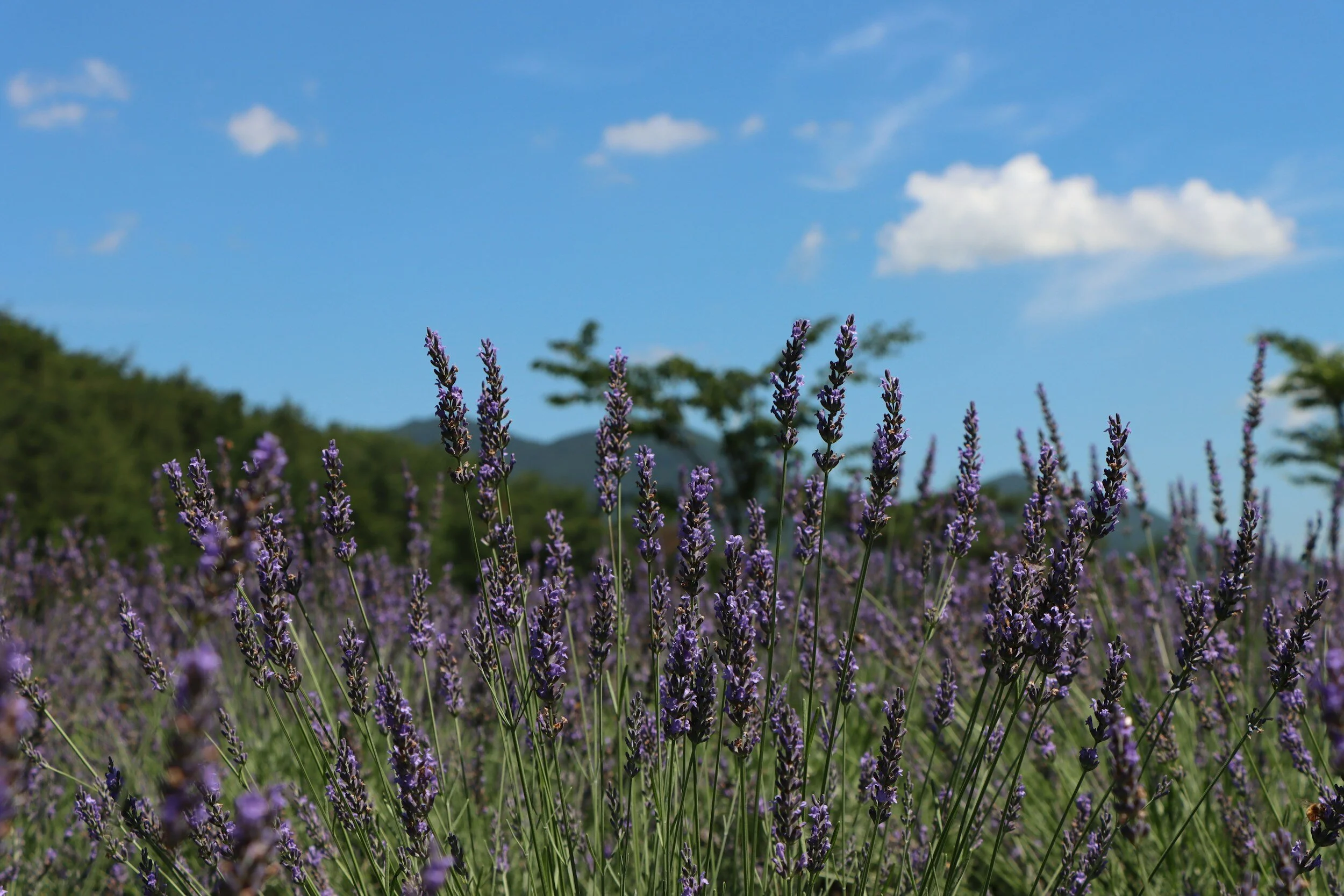
English Lavender typically grows to a height of around 1 to 3 feet.
| Feature | Details |
|---|---|
| Height | Typically grows 1 to 3 feet tall |
| Popular Varieties | 'Hidcote', 'Munstead', 'Royal Velvet', 'Super Blue' |
| Hardiness Zone | Cold-tolerant in zones 5 to 8 (you can https://planthardiness.ars.usda.gov/) |
| California Growing | If you want to plant this indoors or outdoors in our state, learn the right timing in our guide on https://www.lavenderreve.com/blog/when-to-plant-lavender-seeds. |
French Lavender (Lavandula stoechas): The Whimsical "Rabbit Ears"
You cannot mistake French Lavender for any other. It has funny, beautiful little vertical petals standing up on top of the flower head. They look exactly like tiny purple rabbit ears!
This type loves hot weather and has a much stronger, sharp, and pine-like scent.
Pest Control and Crafts: Because the smell is so strong, pests like mosquitoes hate it. It is great for visual interest in your garden beds. Artisans use the dried blooms for colorful potpourri, soy candles, and handmade soaps.
Essential Oils: The oil is highly prized in fine perfumes. To see how its chemical makeup differs from English types, read our analysis of Lavender Essential Oils Chemical Compound.

French lavender reaches 3 feet tall and can spread to an impressive width of 5 feet. They bloom mid to late summer and produces stunning lilac purple flowers.
| Feature | Details |
|---|---|
| Size | Reaches up to 3 feet tall and can spread to an impressive 5 feet wide |
| Bloom Time | Mid to late summer, producing gorgeous lilac-purple blooms |
| Popular Varieties | 'Kew Red', 'Winter Bee', 'Marshwood', 'Pedunculata' |
| Hardiness Zone | Warm-loving, zones 8 to 9 (check https://planthardiness.ars.usda.gov/) |
| Soil and Water Care | This variety is very popular for growing lavender in California. Read about the specific soil conditions it needs in our post on https://www.lavenderreve.com/blog/when-to-plant-lavender-seeds. |
Spanish Lavender (Lavandula dentata): The Tough and Textured Exotic
Now, botanists sometimes mix up the names "French" and "Spanish" depending on where you live. But the true Lavandula dentata has beautiful tooth-edged (dentate) green leaves and exotic pineapple-shaped flower heads.
It is incredibly tough, making it one of the absolute best choices for hot dry climates.
Landscaping Power: This is a spectacular choice for a dramatic focal point or a thick garden hedge. It stands up to heat and drought like a champion.
Aromatherapy and Crafts: The oil is perfect for active, uplifting aromatherapy blends. We use the dry flower spikes to fill heavy herbal sleep pillows and insect-repelling drawer sachets.
Want to grow it? If you are ready to put this tough beauty in your ground, read our complete introduction to planting and caring in Lavender 101.
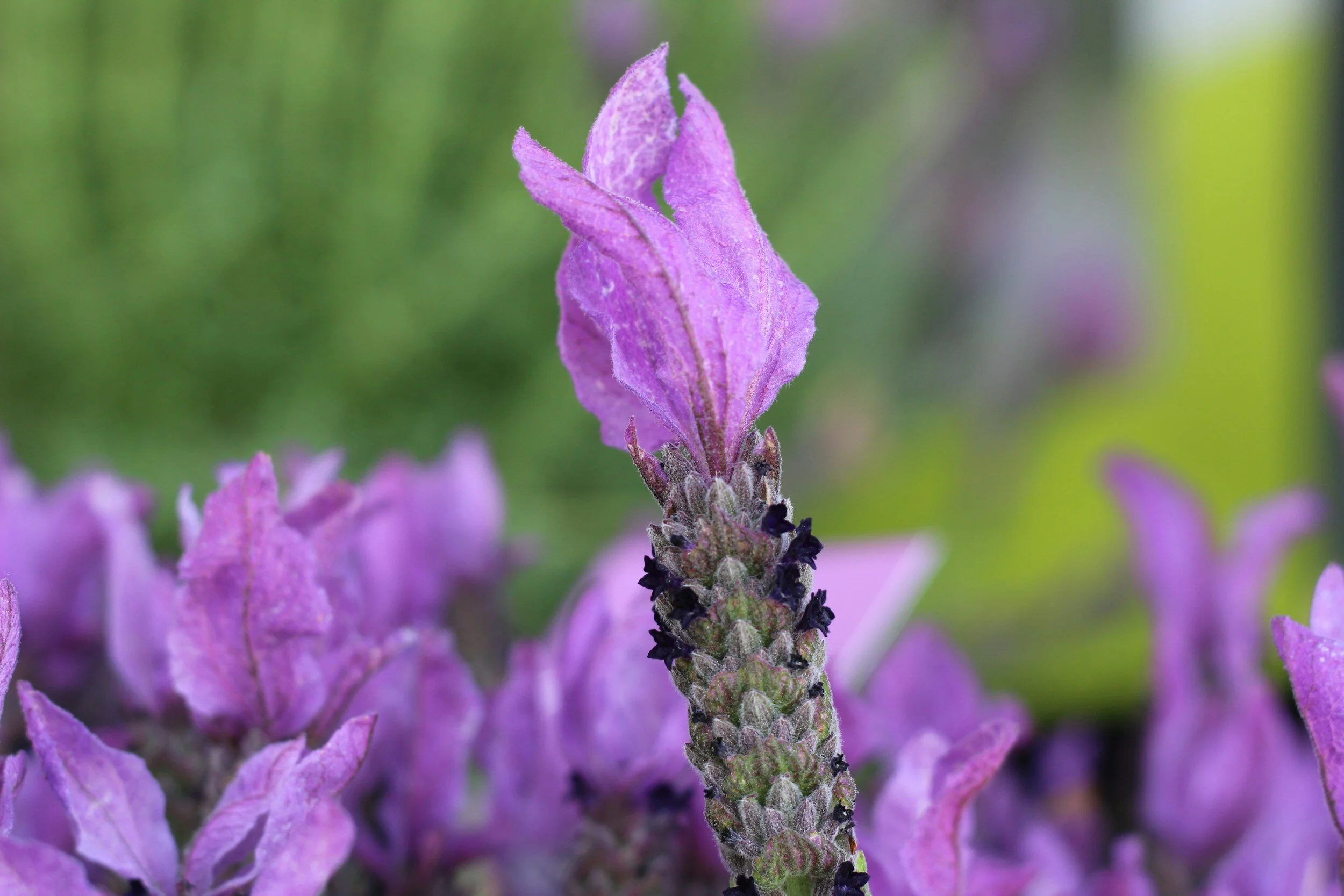
Spanish lavender flowers are produced on the top of leafless stems. They have straight, narrow leaves which are 0.4 to 1.4 inches long.
| Feature | Details |
|---|---|
| Foliage | Straight, narrow green leaves with pretty ruffled edges, about 0.4 to 1.4 inches long |
| Popular Varieties | 'Anouk', 'Otto Quast' |
| Hardiness Zone | Warm climates, zones 7 to 9 |
The Surprising Benefits of Growing Different Lavender Types
Having a collection of different lavender plants is not just about keeping your garden pretty. It also has a profound impact on your daily life.
Taking a walk through our fields when the purple spikes are in full bloom is the most peaceful experience. The aroma works wonders on the human mind. If you want to read more about how this plant interacts with your nervous system, we wrote an article on the Neurological Effects of Lavender and how it aids well-being.
Whether you want to build a fragrant garden oasis, make homemade skincare products, or cook beautiful dishes, there is a lavender variety designed just for you. If you need step-by-step help planting and maintaining your garden beds, please refer to Lavender 101.
From Our California Farm to Your Garden
All of our advice comes directly from our daily life in the dirt. We run Farzaneh Valley Lavender Inc, a 30-acre, family-owned, and women-operated lavender farm. You can find our exact location on our Google Maps Page or check out our Yelp.
We are located in beautiful Guinda within California's Capay Valley. Our little slice of paradise is just a 1-hour drive from Sacramento and 2 hours from the busy San Francisco Bay Area.
Our valley is famous for its rich soil, warm Mediterranean sun, and clean water flowing from Cache Creek. Beside our beautiful lavender, we also tend a small, beautiful olive orchard. Our neighbors here grow premium almonds, walnuts, melons, and organic grapes. It is a wonderful community of sustainable agriculture.
If you are dreaming of leaving the city life to start your own commercial agricultural business, we want to help you succeed! We wrote an honest guide detailing the real startup costs: 5 Major Cost to Start Farming Business.
Why not start your own journey into the beautiful world of lavender today?