What is Lavandula Angustifolia 'Super Blue' Cultivar?
Starting a Lavender Farm: The Magic of Lavandula Angustifolia and the Super Blue Variety
Most people think starting a lavender farm is all about running through purple fields in a flowing dress, but the reality involves a lot of muddy boots, sore backs, and the heartbreak of root rot. When we first planted our rows, I learned very quickly that choosing the wrong plant type could be a shortcut to empty fields and empty pockets. You can find list of top 5 mistakes to avoid in lavender farm here. For anyone wanting to grow for beauty or business, understanding your plants is the first step to success. Let's look at the classic Lavandula angustifolia, and why the 'Super Blue' selection is making such a big splash.
Understanding the Classic English Lavender Variety
Lavandula angustifolia is what we commonly call English lavender. Do not let the name fool you. It actually comes from the warm, rocky hills of the Mediterranean. We farmers love English lavender because it produces the sweet, delicate oil that everyone wants. Unlike French lavender, which has a strong medicine-like smell because of high camphor, English lavender smells soft, sweet, and relaxing.
It is a tough perennial. It loves hot sun and dry, sandy soil. If you give it wet feet, it dies quickly. Also, USDA has hardiness zone that can be used to better understanding USDA plant hardiness zones for lavender. For a long time, growers had to choose between varieties that had a great smell but grew too messy, or neat ones that lacked intense color. That is where new selections changed the game.
The Unique Lavender Benefits of 'Super Blue'
If you want a plant that packs a huge punch in a small space, 'Super Blue' is a dream come true . This cultivar is a special selection of English lavender. It is famous because it solves several common frustrations for both gardeners and commercial growers.
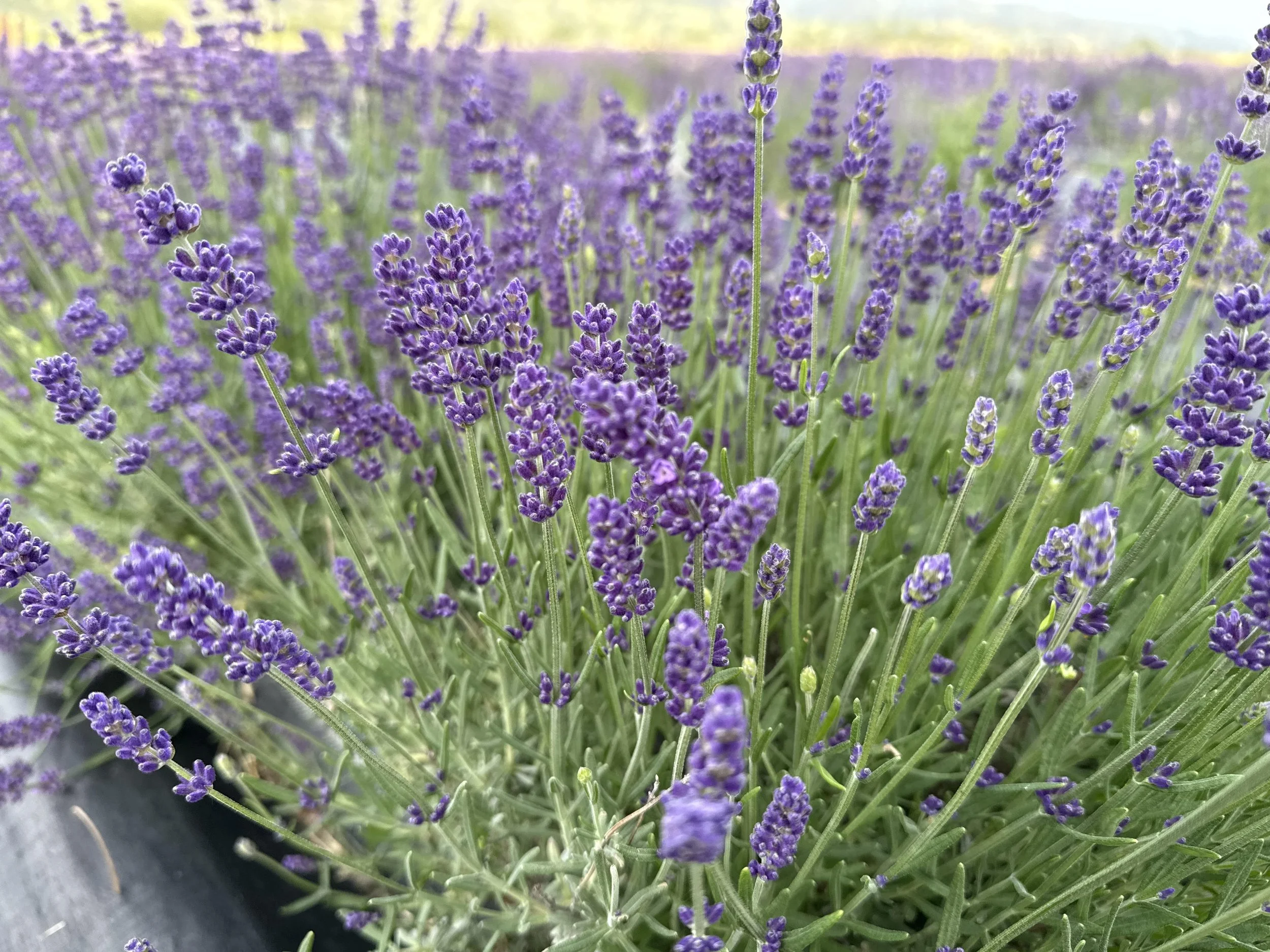
Super Blue has incredibly rich, deep violet-blue, far brighter than older varieties.
Here is what makes 'Super Blue' so specific and desirable:
| Feature | What Makes It Special | Why It Matters To You |
|---|---|---|
| Compact Size | It grows 2 ft tall and wide | It fits perfectly in small borders, pots, or tight farm rows without getting wild |
| Intense Color | Incredibly rich, deep violet-blue, far brighter than older varieties. | Your garden or products look vibrant and eye-catching |
| Drought Tolerance | Once the roots grow deep, it needs almost no extra water | It saves water bills and thrives in hot, dry summers |
| Extreme Hardiness | It tolerates cold temperatures down to USDA Zone 4a | It survives tough winters that kill other varieties |
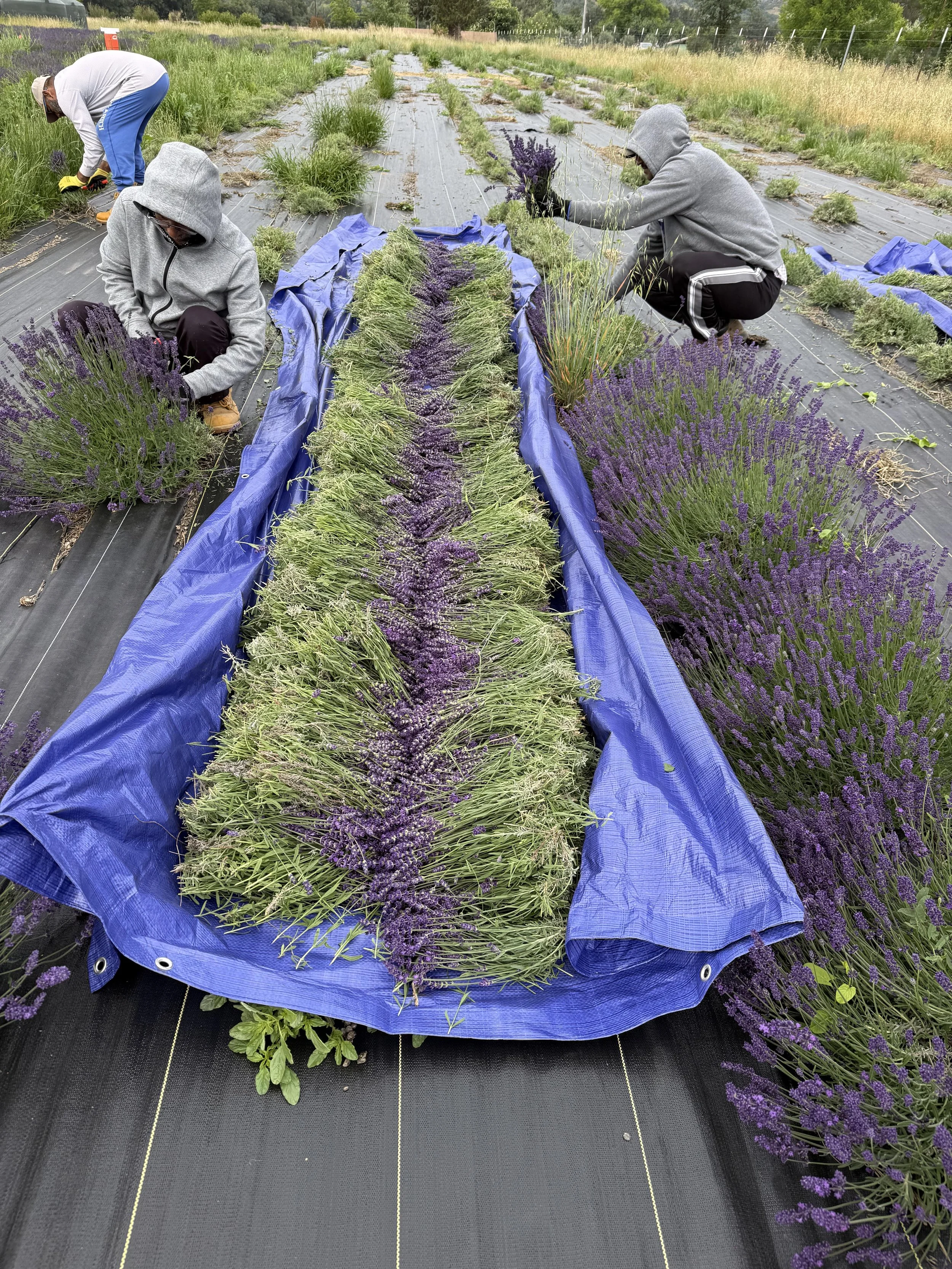
Harvesting Lavandula angustifolia, Super Blue cultivar
In my own garden rows, I notice that bees and butterflies go crazy for 'Super Blue' . Yet, the local deer walk right past it . The sweet fragrance comes from both the gorgeous flowers and the narrow, silvery-green leaves .
DIY Lavender Projects and Business Uses for Super Blue
We do not just grow these plants to look at them. If you run a coffee shop, an artisan soap business, or just love crafting at home, 'Super Blue' offers great practical value.
Business or HobbyBest Way to Use 'Super Blue'
| Business or Hobby | Best Way to Use 'Super Blue' | Key Advantage |
|---|---|---|
| Coffee Shops & Bakers | Infuse dried buds into syrups, lattes, and baked goods. | Sweet, low-camphor flavor means it tastes like sweet floral heaven, not soap. |
| Florists & Artisans | Use fresh cut stems in bouquets or dry them for wreaths. | The intense blue-violet color remains incredibly bright even after drying. |
| DIY Lavender Crafts | Fill handmade sachets, make bath salts, or craft essential oils. | The foliage and blooms are highly aromatic, keeping their scent for months. |
| Landscapers | Plant as low hedges, pathway borders, or container displays. | Neat, mounded shapes require very little pruning to stay beautiful. |
For culinary lavender, there are various types of lavender and you can find different edible lavender types and recipes here. https://www.lavenderreve.com/blog/edible-lavender-types-and-recipes. Also, it is important to know how much sun does lavender need so you can plan for the best planting spot in your garden.
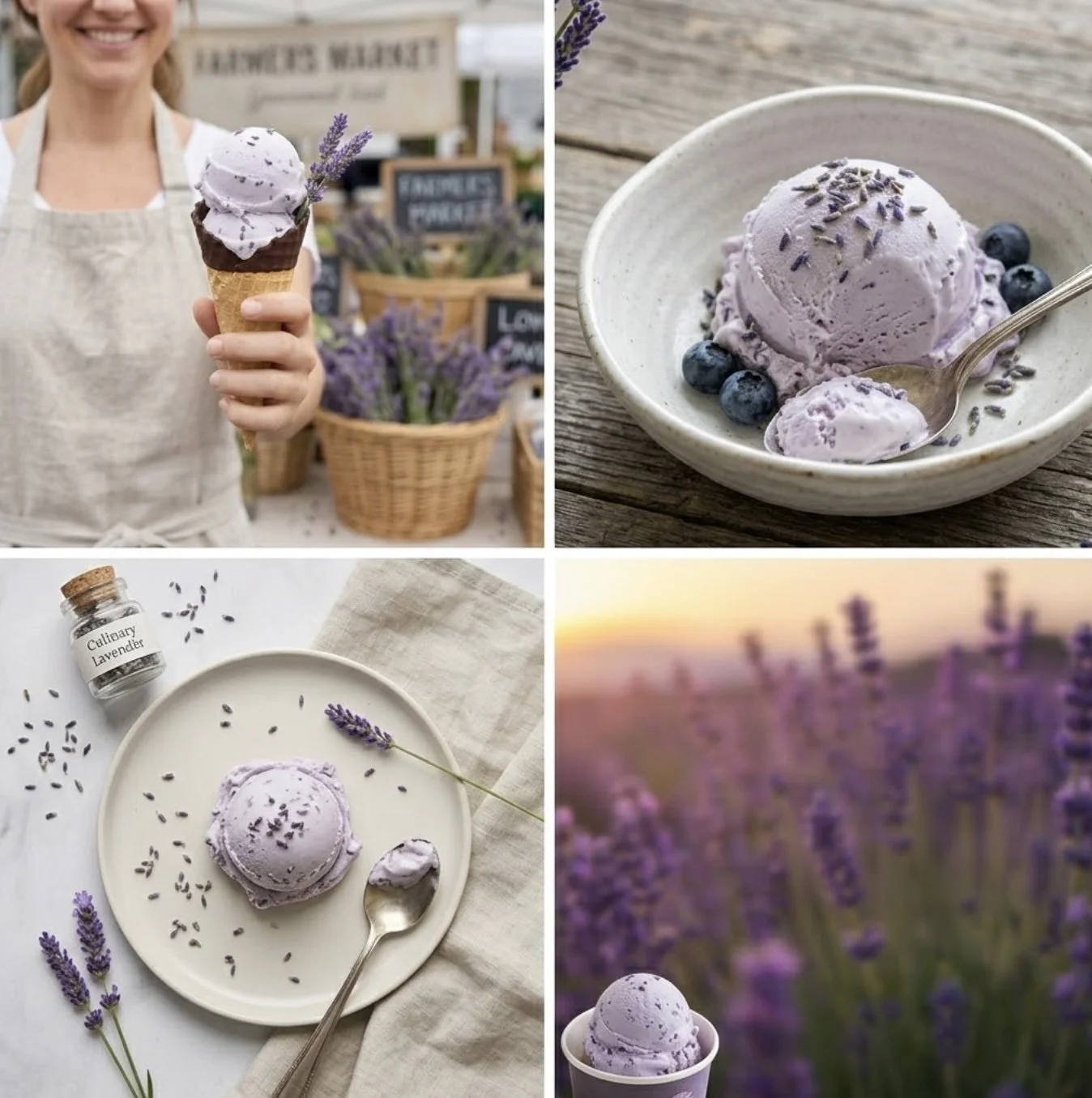
DIY Ice Cream using Lavender
To get the most out of your 'Super Blue', plant it in full, blazing sunlight . Use soil that drains fast—add sand or gravel if your soil is heavy clay . Water it moderately when it is young, then let it dry out once established . After the summer blooms fade, give it a light trim to keep the neat, round shape .
What kind of projects are you planning for your plants? I would love to hear if you are growing for a small business or just for your own garden joy!