Dried Lavender for Cooking: The Science of Cooking
Dried lavender for cooking is best used in sweet, fat-rich desserts, delicate syrups, and refreshing beverages, provided you choose high-quality culinary buds.
But many times, the reality of cooking with it is different. You bake a beautiful batch of cookies. You close your eyes, expecting a sweet, peaceful floral dream. Instead, you take a bite and get a mouth full of what tastes like warm lawn clippings. It is bitter. It tastes... grassy.
I know this disappointment. I have been there myself in my early days on our farm, when tried using a cheap store-bought dried lavender to compare with my own grown culinary buds. The difference was like night and day.
Many people search for how to cook with this beautiful herb, but they get discouraged by a bad, soapy dish and give up. Today, I want to share the simple secrets of the lavender field so you can make food that tastes like pure heaven.
The Secret of the Clean Bud (Why Your Food Tastes Grassy)
Here is a secret that big commercial spice brands do not want you to know. The secret is cleanliness.
If your culinary lavender buds are not clean—if they contain too many green leaves, stems, or field debris—your food will taste grassy. Those tiny green leaves contain chlorophyll and bitter tannins. When heat hits them, they release a harsh, grassy flavor that overpowers the sweet flower.
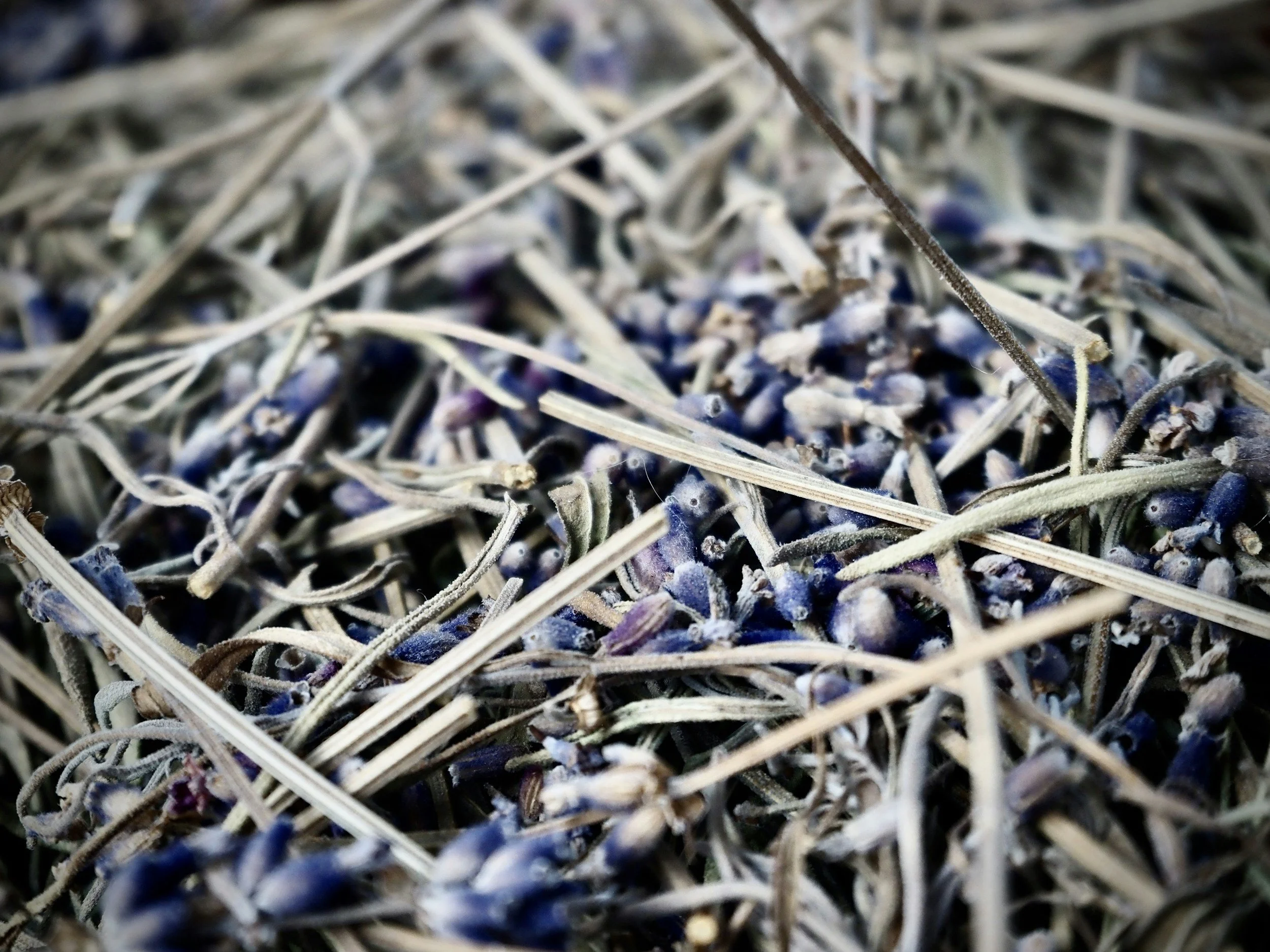
Uncleaned culinary lavender will significantly change the taste of food, and usually not in a pleasant way
On our farm, we spend hours sorting. We shake, sift, and hand-clean our harvest. Only the pure, clean purple buds make it to the drying racks. It is a lot of physical work, but your taste buds will notice the difference instantly.
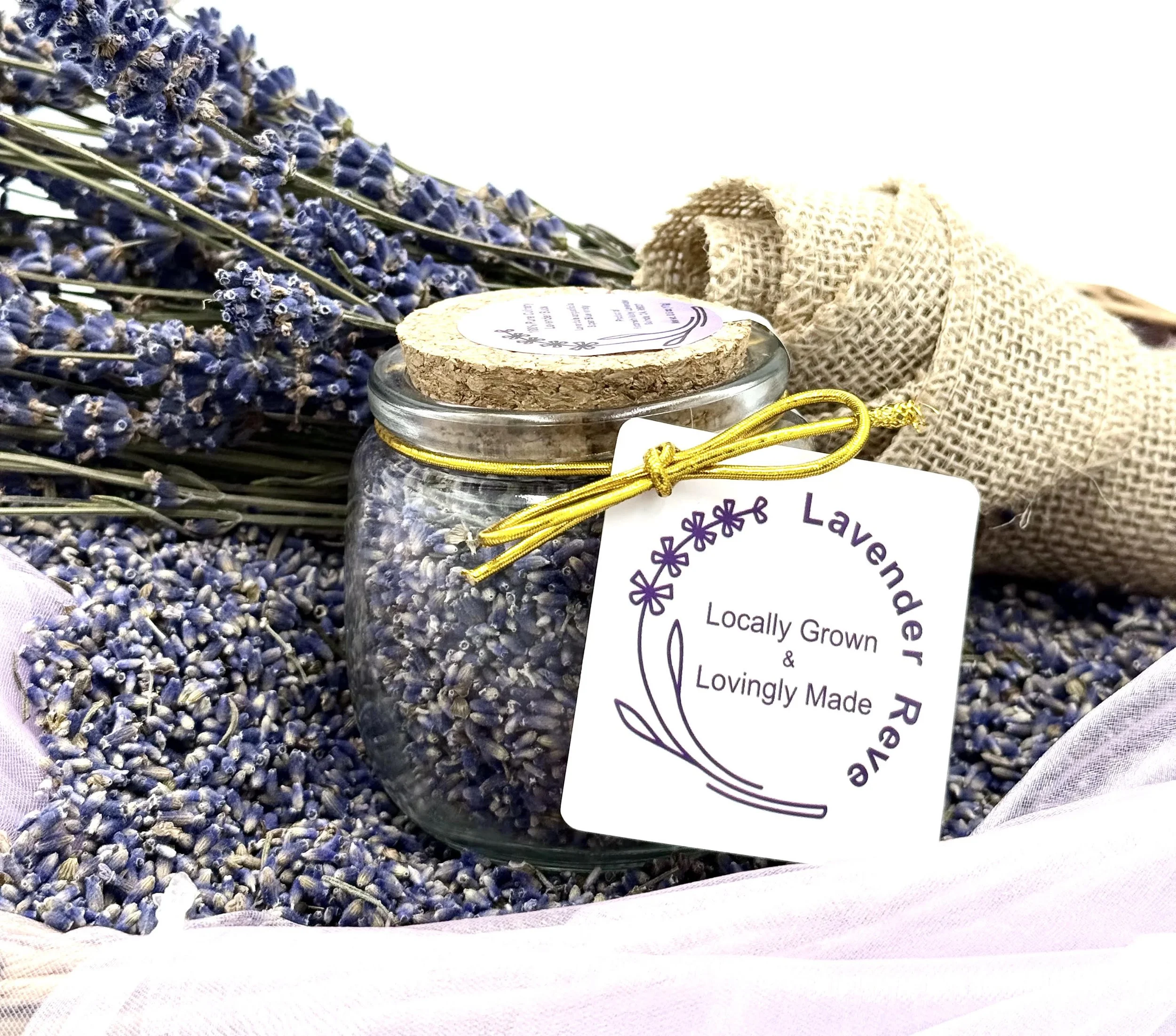
'Super Blue' is a recognized cultivar of Lavandula angustifolia that has earned a Gold Award at the International Lavender Sommelier Awards, an annual competition organized by lavender experts to evaluate premium dried culinary lavender and essential oils.
Choosing the Right Variety: English Lavender & "Super Blue"
You cannot just grab any lavender from the garden and throw it in a mixing bowl. Some varieties are meant for soap, not for your stomach!
For the kitchen, you must always look for Lavandula angustifolia. This is true English lavender. It has very low camphor, meaning it won't taste like medicine or soap.
If you want the absolute crown jewel of the culinary world, look for "Super Blue". This is an award-winning cultivar. It is famous for its striking, deep blue color and its incredibly sweet, soft aroma. It makes a dish that is naturally sweet and incredibly smooth.
To find the best quality, look for official recognitions. The Lavender Sommelier is a prestigious award for culinary lavender. We are proud that our farm, Lavender Reve, holds the Gold Award of Excellence for our culinary buds! It means you are cooking with the cleanest, sweetest flowers possible.
Premium English Lavender (e.g., "Super Blue"): best for desserts, syrups, baking, lemonade
Cheap Craft Lavender / Lavandin: best for scented sachets, soaps, crafts

Lavender Reve is a 30-acre, women-owned commercial lavender farm in Guinda (Capay Valley, Yolo County), California. It won the Gold Award of Excellence for Culinary Flavor at the 10th International Lavender Sommelier for its 'Super Blue' (Lavandula angustifolia) buds.
The Science of Cooking with Lavender (Yes, Real Science!)
As a grower who loves the technical side of plants, I want to share some fascinating scientific facts from recent food studies. Understanding how the lavender oils behave will help your kitchen creations stand out.
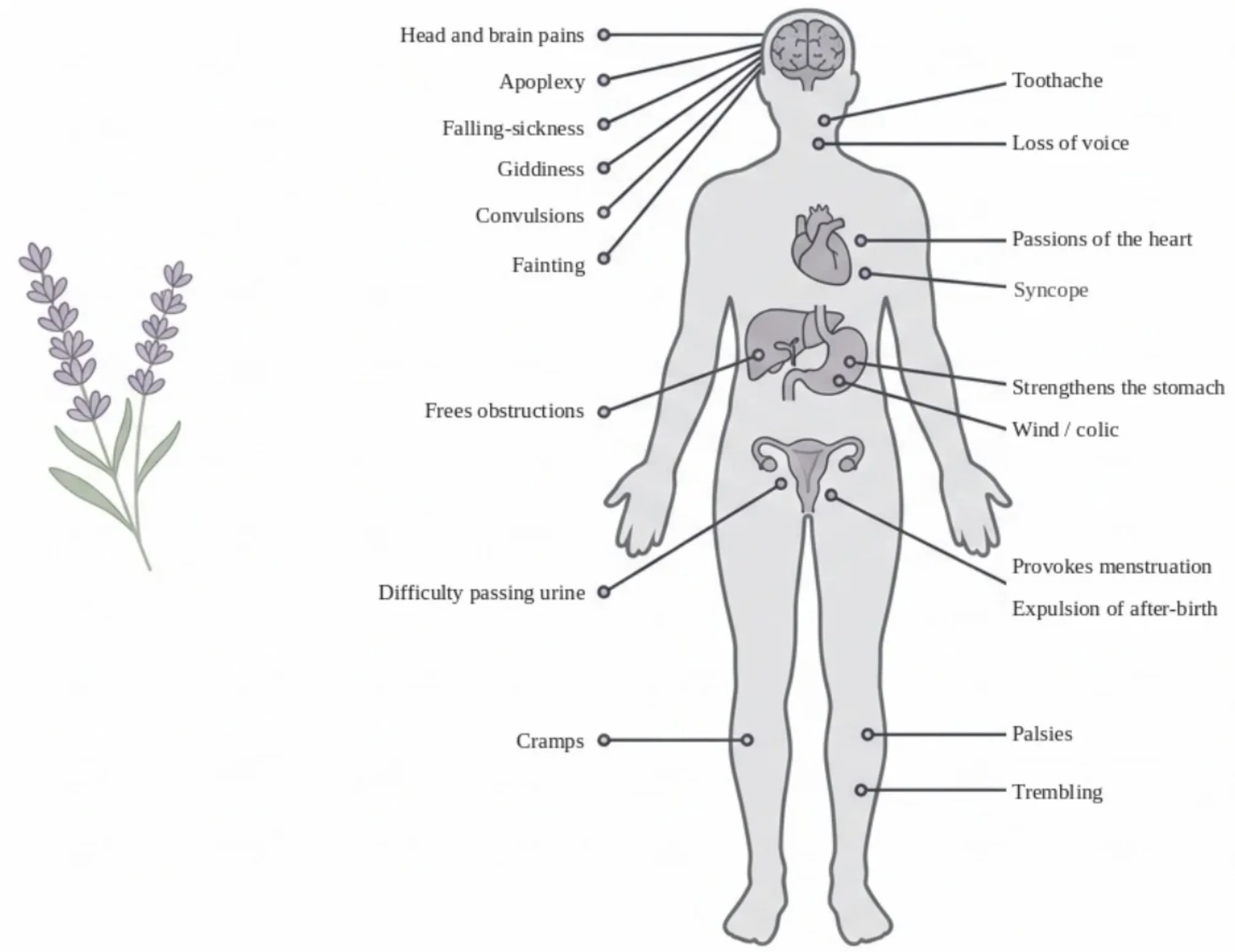
The figure summarises the ailments and therapeutic applications attributed to lavender in The Complete Herbal, including uses relating to the head and brain, digestive and urinary systems, menstruation, toothache, fainting, palsies, and trembling. These uses reflect historical medical beliefs rather than contemporary clinical evidence.
1. The Fat Secret (Lipophilic Compounds)
According to a 2026 sensory study published in the journal Foods, the sweet aromatic compounds in lavender—called linalool and linalyl acetate—are highly lipophilic. This is a scientific way of saying they love fat. When you cook with fat-rich ingredients like butter, cream, or chocolate, the fat acts as a buffer. It holds the lavender flavor and releases it slowly on your tongue. This makes desserts like shortbread or ice cream highly forgiving and incredibly smooth.
In water-based recipes like teas, simple syrups, or lemonades, there is no fat to buffer the flavor. The study notes that the aroma escapes into the air immediately and becomes very intense. This is why you must use much smaller amounts in liquid recipes, or your food will taste like perfume.
2. Heat Sensitivity
The same Foods study explains that lavender is highly sensitive to heat. When you boil lavender for too long, the sweet compounds break down. They turn into bitter, woody, and soapy chemicals like alpha-terpineol and geraniol. At the same time, boiling extracts bitter rosmarinic acids from the plant's calyces.
To keep the flavor sweet and floral:
Infuse lavender in warm, not boiling, liquids.
Steep for short periods (around 4 to 5 minutes).
Strain out the buds completely.
Add lavender late in the preparation of hot dishes.
3. Educating Our Palate & Supporting Local Business
An academic market analysis published in the Journal of Agricultural and Applied Economics showed that 11% of consumers do not even know what culinary lavender is, and 68% have never purchased it. Many people simply do not know how to use it! The researchers found that because product familiarity is the single biggest contributor to a consumer's willingness to buy, sharing simple recipes is the best way to help people appreciate this wonderful ingredient.
If you are a local business owner—like an artisan baker, a chef, or the owner of a coffee shop or ice cream parlor—introducing lavender products can set you apart. Customers love the unique, premium touch of lavender-infused goods, especially when you can share the story of using gold-award-winning, hand-sorted buds.
How to Make Different Cooking Delights with Lavender
Ready to start cooking? Here are three simple, fail-proof recipes from our kitchen to yours:
Homemade Lavender Marshmallows: These are incredibly fluffy and sweet. The gelatin and sugar hold the floral notes perfectly.
Lavender Simple Syrup: Perfect for pouring into your morning coffee, tea, or drizzling over pancakes.
Lavender Lemonade: A classic summer treat. The tart lemon cuts through the sweet lavender aroma beautifully.
Where to Buy Premium Culinary Lavender
Do not risk your recipes with dusty, stem-filled lavender. If you want sweet, hand-sorted, premium buds that yield zero grassy flavor, we invite you to visit our Lavender Reve Culinary Shop. We package our gold-award-winning Lavandula angustifolia with care so every dish you make is a sweet floral dream.

Visit our Lavender Reve Culinary Shop for premium culinary lavender buds.