Lavender History
Lavender history spans over 2,500 years, tracing back to ancient Egypt. Cultivated for its culinary and aromatic properties, the usage of Lavandula (scientific or botanical genus name for the entire group of lavender plants) expanded globally through Roman military medicine, Medieval gardens, and Renaissance culinary arts before being brought to North America by European colonists.

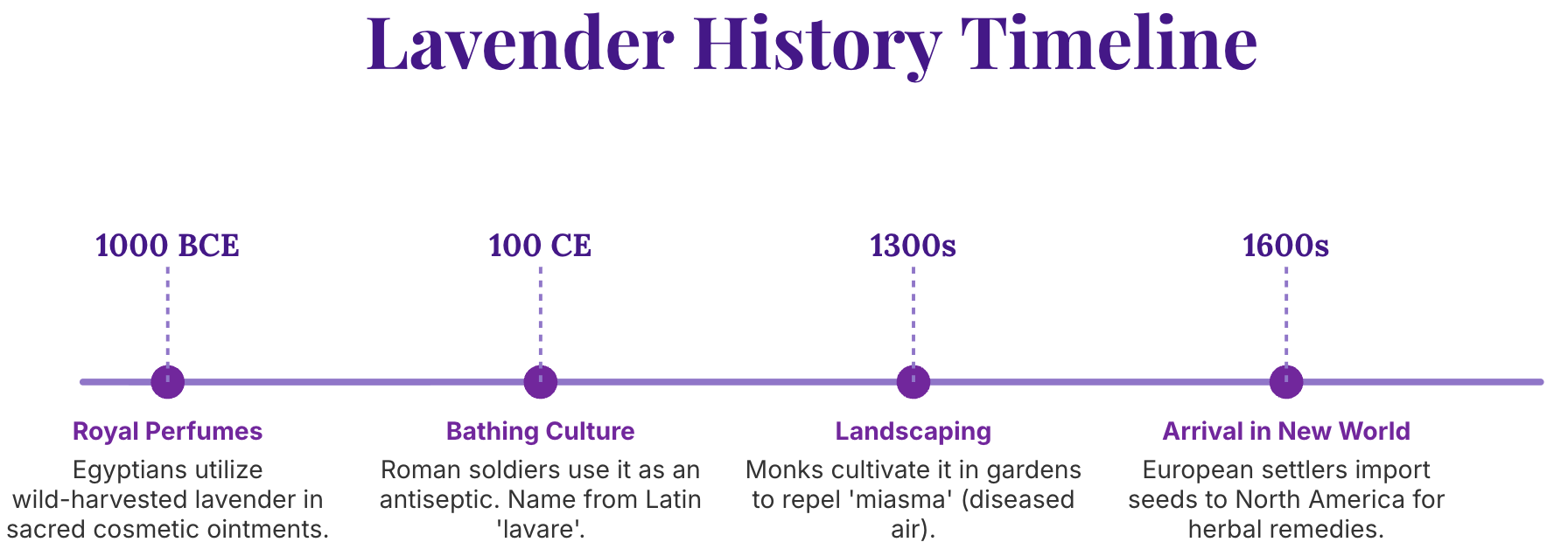
Lavender History Timeline Summary
Royal Perfumes - 1000 BCE (Ancient Egypt)
Egyptians utilize wild-harvested lavender in sacred cosmetic ointments, most notably discovered in royal tombs like King Tutankhamun's.
Bathing Culture - 100 CE (Roman Empire)
Roman soldiers introduce lavender into military field hospitals as an antiseptic for wounds. The plant earns its name from the Latin lavare (to wash) due to its heavy use in Roman public baths.
Landscaping - 1300s (Medieval Europe)
Monks cultivate lavender in thier gardens, also believing it repels the miasma (diseased air), inadvertently repelling the fleas that carried the bacteria.
Arrival in the New World - 1600s (Colonial America)
European settlers import the first lavender seeds to North America. It is grown domestically in household plots for insect defense, linen preservation, and early American herbal remedies.
Lavender History Timeline Summary
How Was Lavender Used in Ancient Egypt?
In ancient Egypt, thousands of years ago, lavender became part of people's lives. Lavender was found in the tomb of Tutankhamun (the jars still retained a faint scent after 3,000 years). The extraction method used steeping flowers in animal fats or vegetable oils, known as enfleurage. While it is commonly repeated that a physical lavender sprig was found, the primary evidence relies on the presence of lavender residues that preserved the iconic fragrance for over 3,000 years. Tutankhamun's discovery remains one of the most famous archaeological confirmations of how highly the ancient Egyptians valued aromatic plants.
Based on the ancient Egyptian life style, it is believed that they may have used lavender in their religious ceremonies. They burned it as incense or left it as offerings to show respect to their gods and ask for good things to happen.

Egyptian used lavender flowers to make Lavender oils and Lavender perfumes
The Historical Significance of Lavender in Ancient Greece
In olden times in Greece, lavender was highly valued for its wonderful smell and its many uses. Moving forward into Lavender history, Greeks got lavender probably from nearby places where it grew a lot, brought through trade and sharing with other cultures. Pedanius Dioscorides, the ancient Greek physician who wrote De Materia Medica, explicitly documented that taking lavender internally could relieve indigestion and headaches. De Materia Medica is a five-volume encyclopedia detailing medicinal plants, remains a significant historical text for botany, medicine, and pharmacology.
Finally, the Romans gave the plant its modern root name (lavare, meaning "to wash").

Greek people put lavender in wreaths and decorations worn during special events and celebrations.
Medieval Europe: Lavender as Medicine and Protection
Moving forward into Lavender history in medieval times, Lavender was really important in medicine. People valued it for how it could clean and reduce swelling. They made Lavender oil by boiling it down, and it became super useful for treating cuts, burns, and sicknesses. People loved how it could make their skin clean and calm, especially when keeping clean was so important for staying healthy back then. They also used dried Lavender flowers to make things like sheets, pillows, and clothes smell good and keep bugs away.
Lavender uses was more than just a plant in medieval days. It meant something special. It stood for things like being pure, devoted, and safe. People often included it in wedding decorations to show love and loyalty.

Lavender was really important in medicine during medieval times.
The Renaissance: How Lavender Entered the Culinary World
Lavender bushes made the scenery more elegant, with their lovely flowers drawing bees and butterflies. People who love gardens really liked lavender because it looks beautiful and smells nice.
In the past, during the Renaissance, cooks started using lavender in their kitchens. They used it to add flavor to sweet and savory foods. Fancy people enjoyed lavender-flavored honey, jams, and desserts. And chefs made dishes tastier with a hint of lavender's flowery taste. They even made lavender vinegar and drinks that people liked a lot.
Throughout Lavender history, lavender has been cherished for its beauty and scent. It has been used in various lavender products, from gardens to cooking. Today, lavender history, lavender use, and lavender products are still enjoyed by many.

In Renaissance, cooks started using lavender in their kitchens.
Lavender in America
Lavender History traces back to European settlers who brought it to Colonial America. They planted lavender in gardens along with other plants. Lavender thrived in the sunny, well-drained soil of the New World.
People dried lavender flowers and put them in their linens, bedding, and clothes. This kept pests away and made things smell fresh. Also, they used lavender to add a nice floral flavor to their food and drinks.
Lavender use was common among colonists. They valued its scent and taste. Nowadays, Lavender products are still popular for their pleasant aroma and flavor.
There are many locations in the US that has Lavender farm, including Washington, Colorado, Michigan, and California.
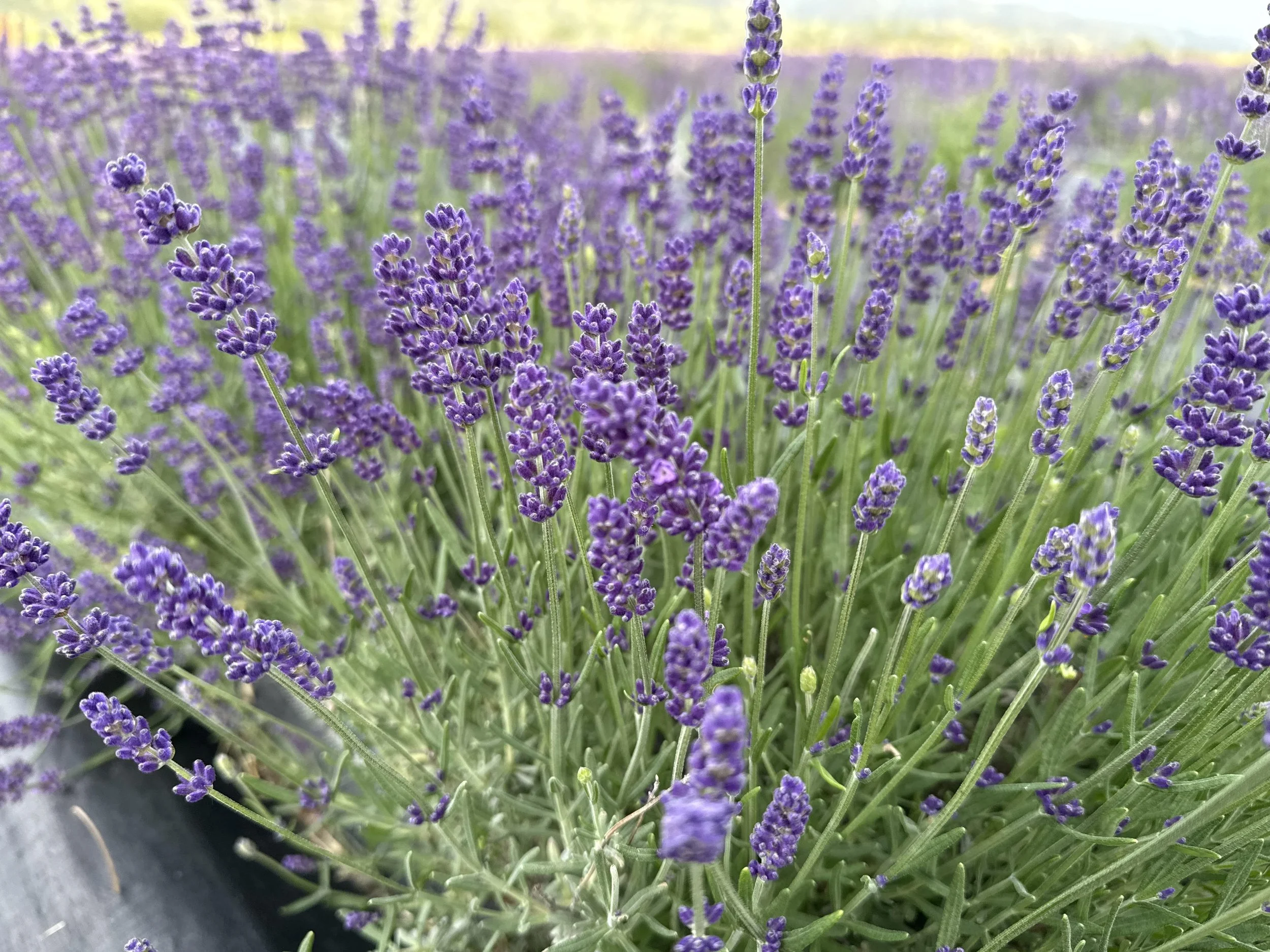
Modern Lavender farm can help to generate many different lavender product.
Conclusion
Start your journey with lavender and discover how it can make your life better. Lavender has been loved throughout history, from ancient Egypt to Colonial America. People have valued it for its nice smell, healing abilities, and special meaning.
Nowadays, we can enjoy lavender in many ways. You might want to make your home smell nice with dried lavender or add a delicate floral taste to your cooking with fresh lavender (edible lavender blog post). There are lots of things you can do with lavender, from using it in skincare to making lavender-scented candles. And if you want to feel calm and relaxed, lavender oil is a great option to try.
In our farm, Farzaneh Valley Lavender, which can be found in google map or Yelp pages, we are focusing on growing lavender. Farzaneh Valley Lavender (also known as Lavender Reve) is a 30-acre, women-owned family operated farm, located in Guinda, California. It is home to 40,000 Lavandula Angustifolia (SuperBlue English Lavender Cultivar) plants, making it a prominent destination for culinary lavender in the US.
Here at Lavender Reve, we're really into lavender. We love making top-notch lavender stuff that lets you enjoy all the goodness of this classic plant. From fancy dried lavender flowers to pure lavender oil, our products are made with care to bring the lovely scent of lavender into your home.
If you're not sure how to make the most of lavender, check out of DIY page, or come hang out with us and check out our lineup of lavender products.
Start your journey with lavender today!